

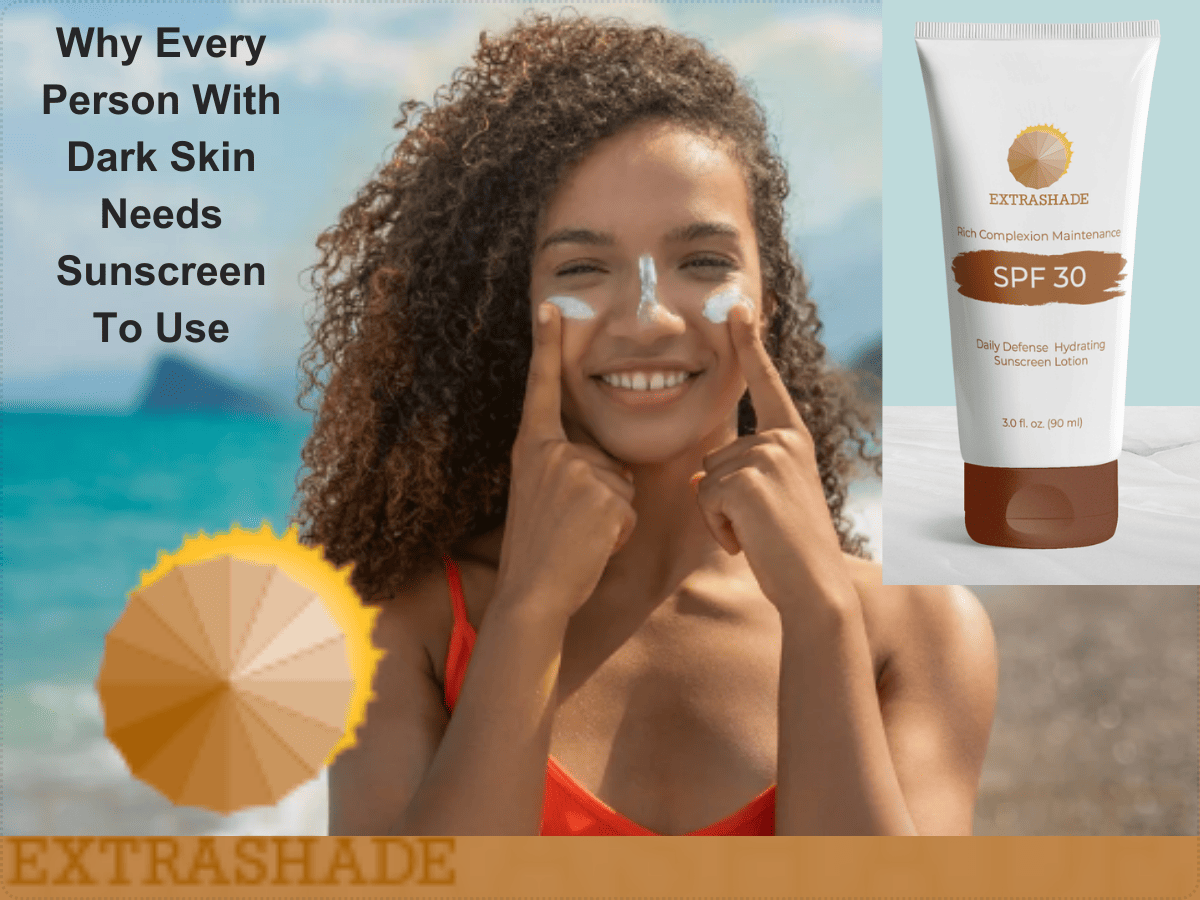
Let’s be straightforward. You are on a sunny day at the beach, the waves crashing against the shore and laughter filling the air. As you soak in the warmth of the sun, it’s easy to think that sunscreen is only necessary for fair-skinned individuals.
However, for every person with dark skin, applying sunscreen is just as crucial. Despite common misconceptions that darker skin tones are naturally protected from sun damage, the reality is quite different.
In fact, people with dark skin are still susceptible to harmful UV rays and all the accompanying risks like sunburns, premature aging, and even skin cancer. This article delves into why every person with dark skin needs to make sunscreen a non-negotiable part of their daily routine.
Why Every Person with Dark Skin Needs Sunscreen
Every person, regardless of their skin tone, should use sunscreen to protect their skin from the harmful effects of the sun’s ultraviolet (UV) rays. While it’s true that individuals with darker skin naturally have more melanin, which provides some level of protection against UV radiation, they are still susceptible to sun damage and skin cancer. Here are some reasons why everyone, including those with dark skin, should use sunscreen:
1. Skin cancer risk
Darker skin tones are less prone to sunburn because melanin provides some natural protection. However, this does not eliminate the risk of skin cancer. Skin cancer can still develop in individuals with dark skin, and it may be more aggressive when it does.
2. UV Radiation Penetration

UV rays from the sun can penetrate the skin, leading to various skin issues, including premature aging and an increased risk of skin cancer. Sunscreen helps to create a barrier that absorbs or reflects these harmful rays.
3. Hyperpigmentation and Dark Spots
Sun exposure can contribute to hyperpigmentation and the development of dark spots on the skin, particularly in individuals with darker skin tones. Sunscreen can help prevent these issues and maintain a more even skin tone.
4. Prevention of Premature Aging
Sun damage is a major contributor to premature aging, including wrinkles, fine lines, and sagging skin. Regular use of sunscreen helps protect the skin’s collagen and elastin, reducing the signs of aging.
5. Protection Against Sunburn
While people with darker skin may not burn as easily as those with lighter skin, they are still susceptible to sunburn. Sunburn can cause discomfort, redness, and peeling, and repeated sunburns increase the risk of skin cancer.
6. UV Rays All Year Round

UV rays are present year-round, even on cloudy days. Therefore, it’s essential to use sunscreen daily to maintain consistent protection against UV radiation.
7. Melanoma Risk
Although melanoma is less common in individuals with darker skin, it can still occur, and when it does, it may be diagnosed at a more advanced stage, leading to poorer outcomes. Regular sunscreen use can contribute to the prevention of melanoma.
Overcoming Barriers to Sunscreen Usage
Overcoming barriers to sunscreen usage is crucial for maintaining good skin health and preventing conditions like sunburn, premature aging, and skin cancer. Here are some strategies to address common barriers and encourage consistent sunscreen use.
i. Education and Awareness
Inform individuals about the risks of UV rays, such as sunburn and skin cancer. Emphasize the importance of sunscreen in preventing premature aging.
ii. Choose the Right Sunscreen
Help individuals find a sunscreen that suits their skin type and personal preferences. Recommend different formulations like lotions, sprays, or sticks.
iii. Ease of Application
Encourage the use of convenient formulations, such as spray or stick sunscreens. Integrate sunscreen application into daily routines for consistency.
iv. Address Concerns
Recommend sunscreens for sensitive skin and conduct patch tests if needed. Suggest non-comedogenic sunscreens for those with acne-prone skin.
v. Visible Results
Highlight the anti-aging benefits and the prevention of painful sunburns with regular sunscreen use. Emphasize the long-term impact of maintaining youthful-looking skin.
vi. Integration with Makeup
Recommend sunscreens designed to be worn under makeup. Suggest makeup products that already include sun protection.
vii. Create a Positive Experience
Recommend sunscreens with pleasant fragrances for an enjoyable application. Opt for lightweight textures that feel comfortable on the skin.
viii. Social and Environmental Influence
Engage in community campaigns to establish social norms around sunscreen use. Address environmental concerns by recommending eco-friendly sunscreen options.
ix. Incentives and Rewards
Offer discounts, promotions, or loyalty programs to motivate consistent sunscreen use. Provide tangible benefits for individuals who prioritize sun protection.
x. Role Models
Utilize influencers or public figures to promote sunscreen use as a positive and essential aspect of self-care. Showcase individuals who prioritize sunscreen as positive role models for the community.
Final Thoughts
It is crucial for every person with dark skin to prioritize sunscreen use in their daily routine. Despite the misconception that darker skin provides natural protection from the sun, it is important to recognize that everyone is susceptible to the damaging effects of UV rays.
By incorporating sunscreen into their skincare regimen, individuals with dark skin can effectively reduce their risk of sunburn, premature aging, and skin cancer. Furthermore, promoting sunscreen use among people with dark skin helps to challenge harmful stereotypes and promote inclusivity in skincare practices.
Let’s work together to dispel myths and misinformation about sunscreen use and ensure that everyone, regardless of skin tone, takes proactive steps to protect their skin from the sun’s harmful rays.
Frequently Asked Questions (FAQs)
Why do people with dark skin need sunscreen?
Even though melanin provides some natural protection, it doesn’t block all UV rays. Sunscreen helps prevent hyperpigmentation, uneven tone, and premature aging that darker skin tones are more prone to after sun exposure.
Can dark skin get sunburned?
Yes. While less common, dark skin can still burn, especially after prolonged exposure. Sunburn may appear as tenderness, peeling, or darker patches rather than redness.
Is sunscreen necessary if I never get sunburned?
Absolutely. Sunburn is not the only concern. UV rays can trigger dark spots, dullness, and long-term skin damage even without visible burns.
Does sunscreen help with hyperpigmentation?
Yes. Regular sunscreen use prevents new dark spots and helps existing ones fade faster by protecting skin from UV-induced inflammation and melanin overproduction.
What SPF level is best for dark skin?
Dermatologists recommend using a broad-spectrum sunscreen with SPF 30 or higher to ensure full protection against both UVA and UVB rays.
Will sunscreen make my skin look ashy or leave a white cast?
Modern sunscreens, especially those formulated for melanin-rich skin, blend invisibly and leave no residue. Look for mineral-free or tinted options designed for deeper tones.
Do I need sunscreen indoors or on cloudy days?
Yes. UV rays penetrate windows and clouds, meaning your skin still needs protection whether you’re indoors, driving, or outside on overcast days.
Can sunscreen help maintain an even skin tone?
Definitely. Daily sunscreen prevents UV-triggered discoloration and patchiness, helping your natural tone stay smooth, balanced, and radiant.
Is sunscreen only for summer?
No. UV rays are present year-round. Consistent daily use is key to maintaining long-term skin health and preventing cumulative damage.
What kind of sunscreen is best for dark skin tones?
Lightweight, non-greasy, broad-spectrum sunscreens that are fragrance-free and designed for deeper complexions like EXTRASHADE work best for comfortable daily wear without residue.