

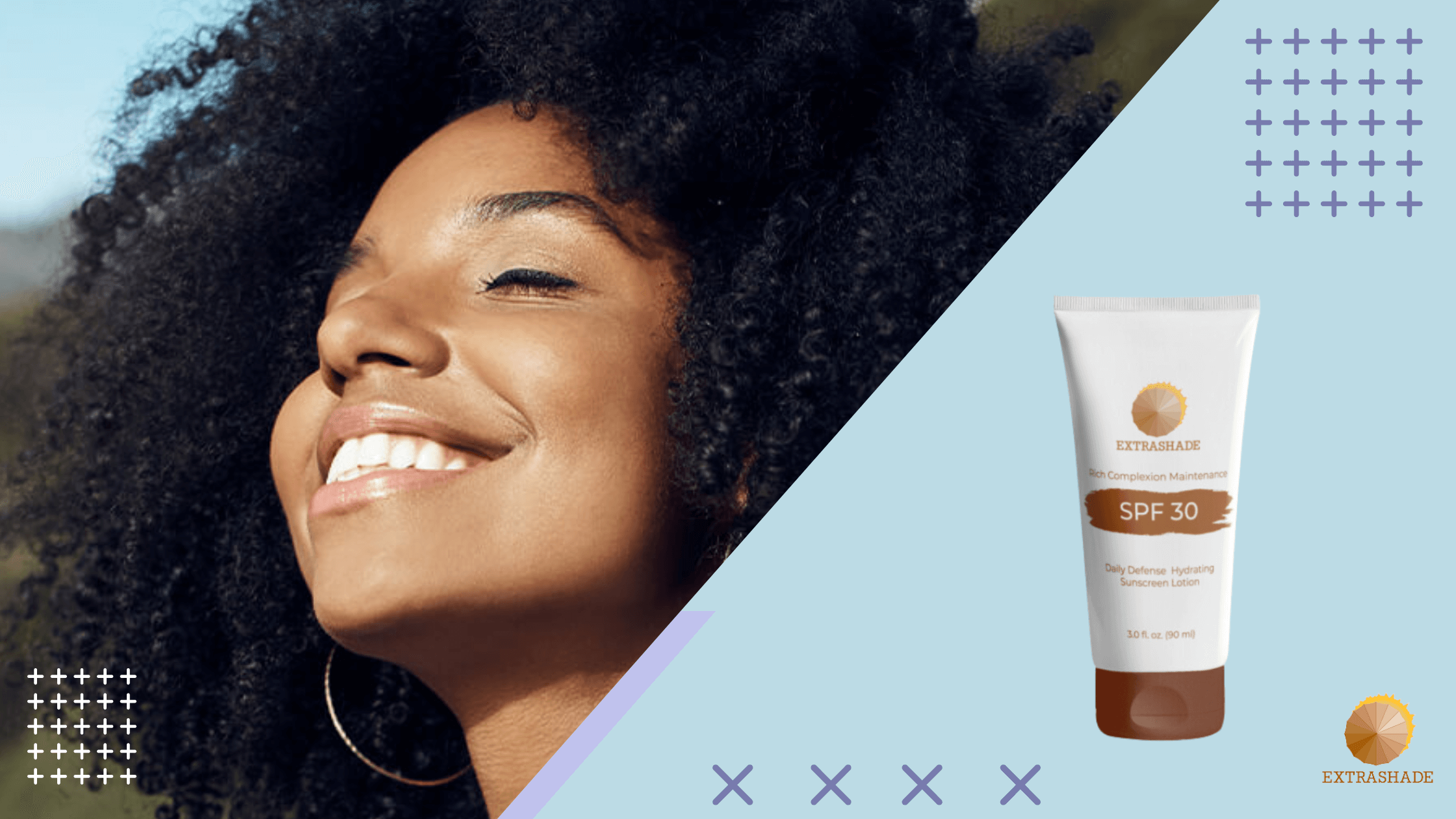
Sun exposure feels good, but it quietly takes a toll on your skin. Every time you’re out in the sun, invisible ultraviolet (UV) rays penetrate the skin, triggering damage you might not notice right away. Over time, this exposure can lead to issues like dark spots, uneven skin tone, premature aging, and even more serious concerns.
That’s where sunscreen steps in — acting as a protective shield between your skin and the sun’s harmful rays. It works by either absorbing or reflecting UV radiation, preventing it from reaching the deeper layers of your skin. Whether it’s a sunny afternoon or a cloudy morning, sunscreen helps maintain your skin’s health, strength, and natural glow by minimizing the damage you can’t always see.
In this article, we will tell you what does sunscreen do actually? So, without further ado, let’s dig deeper.
Benefits of Sunscreen Use
Sunscreen is a lotion, spray, or gel that absorbs or reflects sunlight’s ultraviolet (UV) rays. Here are some of the benefits of using sunscreen:
- Reduces Skin Cancer Risk: Skin cancer is the most common cancer in the United States, and exposure to UV rays is a major risk factor. Sunscreen can help protect your skin from these harmful rays and reduce your risk of developing skin cancer.
- Prevents Sunburns: Sunburns are painful and can damage your skin. Sunscreen can help prevent sunburns by absorbing or reflecting UV rays.
- Reduces Signs of Aging: Sun exposure can cause premature aging, such as wrinkles, fine lines, and age spots. Sunscreens can help protect your skin from these signs of aging.
- Improves Skin Tone: Sun exposure can also cause uneven skin tone, such as dark spots and hyperpigmentation. Sunscreen can help improve your skin tone by protecting your skin from UV rays.
- Protects Eyes: UV rays can also damage your eyes. Wearing a hat and sunglasses that block UV rays can help protect your eyes from the sun.
To benefit from sunscreen most, use a broad-spectrum sunscreen with an SPF of 30 or higher. Apply sunscreen generously and evenly to all exposed skin 15 minutes before going outdoors. Reapply sunscreen every two hours, or more often if you are sweating or swimming.
What Does Sunscreen Do?

Sunscreen is a protective product that helps shield your skin from the harmful effects of the sun’s ultraviolet (UV) radiation. Here’s the rundown on how sunscreen works:
I. UV protection
Sunscreens contain active ingredients that absorb, reflect, or scatter the sun’s UV rays, preventing them from penetrating deep into the skin.
II. Types of UV rays
- UVB rays: These are responsible for causing sunburns and play a key role in developing skin cancer.
- UVA rays: These rays penetrate deeper into the skin and contribute to premature skin aging, wrinkles, and potentially skin cancer.
III. SPF (Sun Protection Factor)
Sunscreen products are carefully marked with a Sun Protection Factor (SPF) value, serving as an indicator of their efficacy in shielding the skin from harmful UVB rays. This numerical rating system signifies the level of defense offered by the sunscreen.
IV. Broad-spectrum protection
Look for sunscreens that are labeled “broad-spectrum,” which means they protect against both UVB and UVA rays.
V. Application
Sunscreen should be applied liberally and evenly to all exposed skin areas about 15-30 minutes before sun exposure. It should be reapplied every 2 hours, or more frequently if you’re swimming or sweating.
Conclusion
Sunscreen is a topical product that helps protect the skin from the harmful effects of ultraviolet (UV) radiation from the sun. It works by absorbing, reflecting, or scattering the sun’s UV rays before they can penetrate and damage the skin cells. The active ingredients in sunscreen either physically block or chemically absorb the UV rays.
When applied properly and in sufficient amounts, sunscreens can help prevent sunburns, premature skin aging, and skin cancer caused by excessive UV exposure. However, no sunscreens provide 100% protection, so it should be used in combination with other sun safety measures like seeking shade and wearing protective clothing. Regular reapplication is also necessary, especially after swimming, sweating, or towel drying.
Frequently Asked Questions (FAQs)
What exactly does sunscreen do for the skin?
Sunscreen protects your skin by blocking or absorbing harmful UV rays from the sun. It prevents immediate damage like sunburn and long-term effects such as premature aging and skin cancer.
Is sunscreen only for sunny days?
No, sunscreen should be used every day, even when it’s cloudy or raining. Up to 80% of UV rays can still penetrate clouds and affect your skin.
Does sunscreen prevent tanning or just sunburn?
It reduces tanning by limiting UV exposure but doesn’t always stop it completely. The goal is to protect skin health, not just control color.
How does sunscreen help prevent aging?
UV exposure breaks down collagen and elastin, causing wrinkles and sagging. Regular sunscreen use preserves skin’s firmness and youthful glow.
Can people with darker skin tones skip sunscreen?
Absolutely not. While melanin offers some protection, it’s not enough to prevent hyperpigmentation, dark spots, and sun-induced damage.
What’s the difference between chemical and mineral sunscreen?
Chemical sunscreens absorb UV rays, while mineral sunscreens (like zinc oxide or titanium dioxide) reflect them. Both can be effective when used correctly.
Does sunscreen protect against both UVA and UVB rays?
Yes, broad-spectrum sunscreens are designed to shield against both types — UVA rays cause aging, and UVB rays cause burning.
How much sunscreen should I apply?
Use about a nickel-sized amount for your face and one ounce (a shot glass) for your whole body. Reapply every two hours when outdoors.
Can sunscreen improve my skin tone over time?
Yes. By preventing sun damage and hyperpigmentation, it helps maintain an even, radiant complexion with consistent use.
What happens if I skip sunscreen regularly?
Without sunscreen, UV exposure accelerates skin aging, increases the risk of dark spots, and heightens the chances of developing skin cancer.